

Tanya Satish
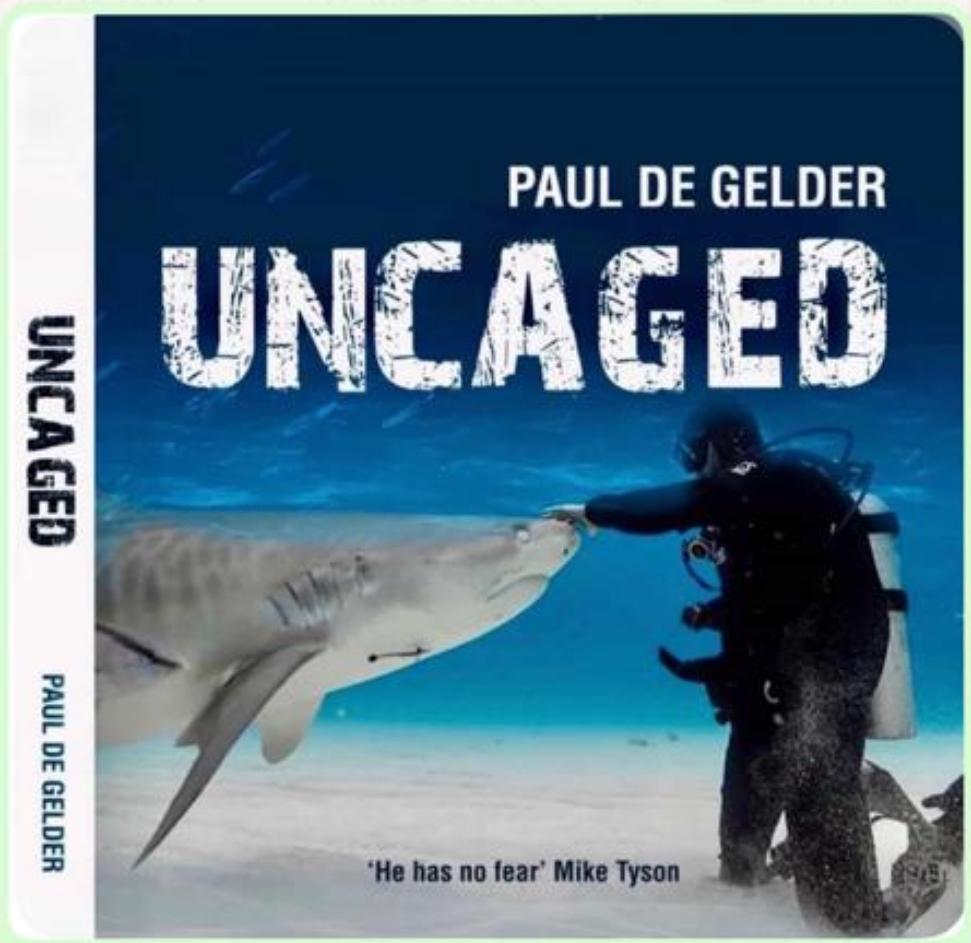
No Limits Beneath the Surface: The Paul de Gelder Story
There are stories that inspire, and then there are those that fundamentally reshape how we understand fear, resilience, and our relationship with the natural world.
Global Disability and the Need for Accessible Travel
According to estimates from leading global authorities like the World Health Organization (WHO) and the United Nations, disability affects a significant portion of the world’s population, making accessibility an essential consideration in travel and tourism:
•An estimated 1.3 billion people worldwide experience significant disability, representing about 16 % of the global population.
•Many of these individuals face barriers to mobility, transportation, and participation in everyday life due to inaccessible environments and services.
•Despite this large global population, tourism and travel infrastructure remains vastly under-served, limiting opportunities for people with disabilities to explore and participate fully in travel experiences.
•Accessible tourism isn’t just a rights issue — it unlocks participation from a diverse and underserved community whose travel needs are currently unmet.
Inclusive design and accessible travel services are therefore essential to ensure that people of all abilities can engage in tourism experiences safely, comfortably, and without barriers — reinforcing both social inclusion and broader economic participation.
Environments, facilities, services, information are designed for all people, of all ages and abilities. The UN-social inclusion statement emphasises: tourist destinations go beyond ad hoc services to adopting the principle of universal design.
Ensuring that people with disabilities are not treated as an afterthought or second-class guests, but have equal access, choice and dignity in tourism. UNWTO calls accessible travel a “game-changer” for destinations that welcome all visitors
Designing with, not just for, people who have access needs, including consulting disability-organisations, involving them in planning.
Accessible tourism isn’t only about access; it must also respect environmental, cultural and economic sustainability. For marine destinations this means respecting the ocean ecosystems.
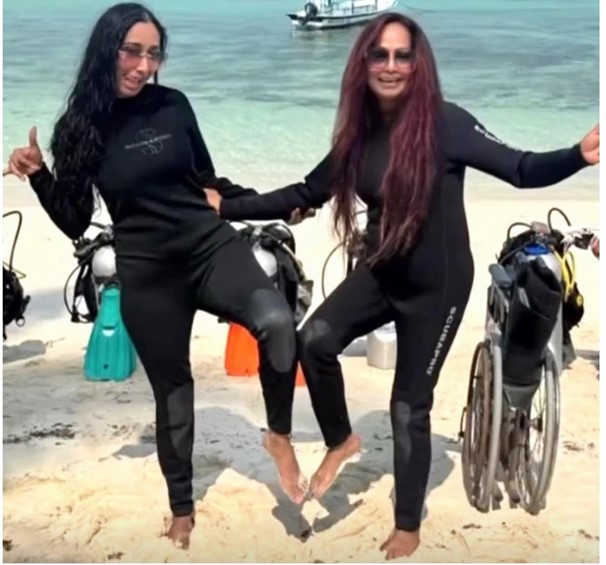
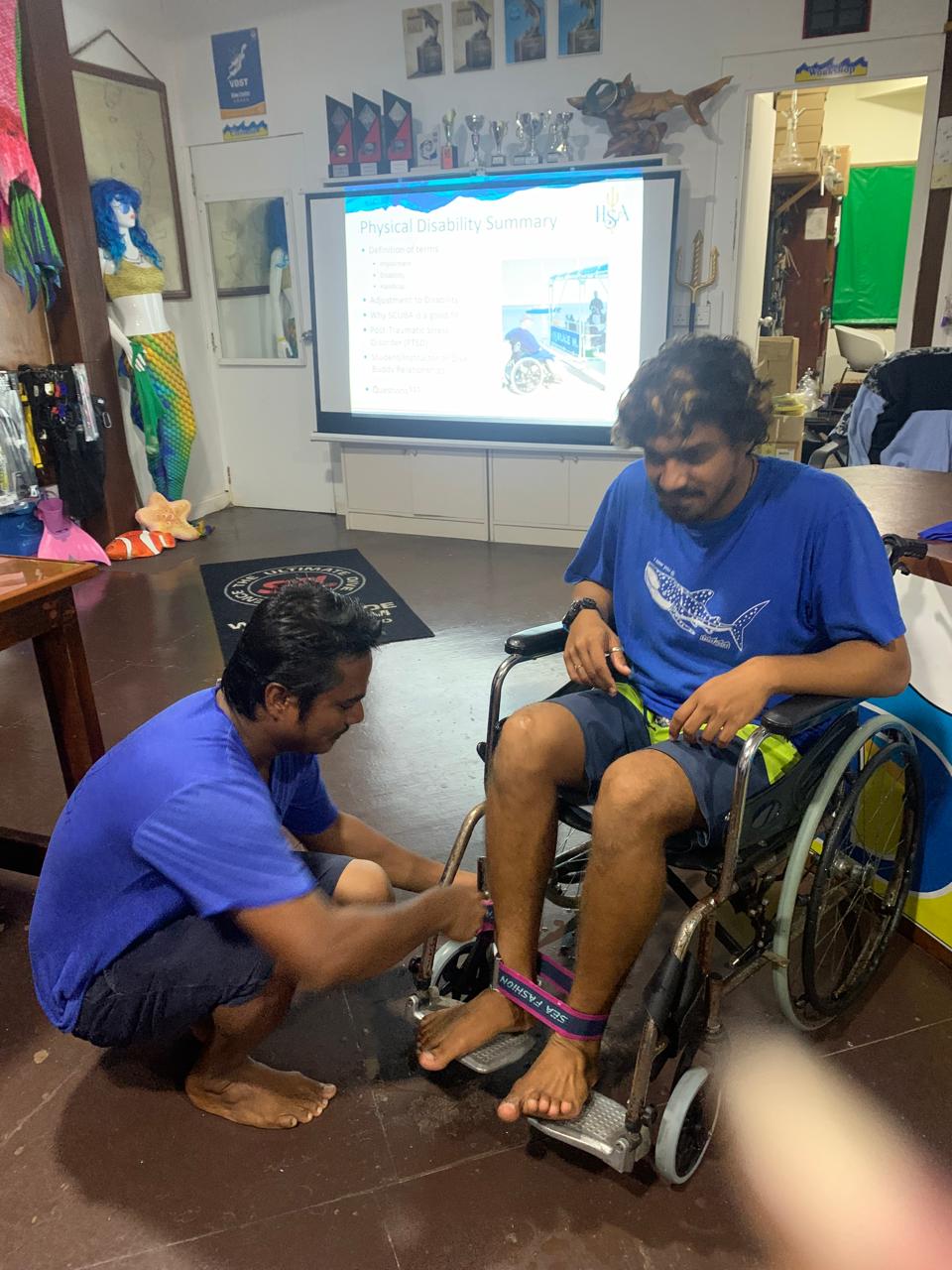
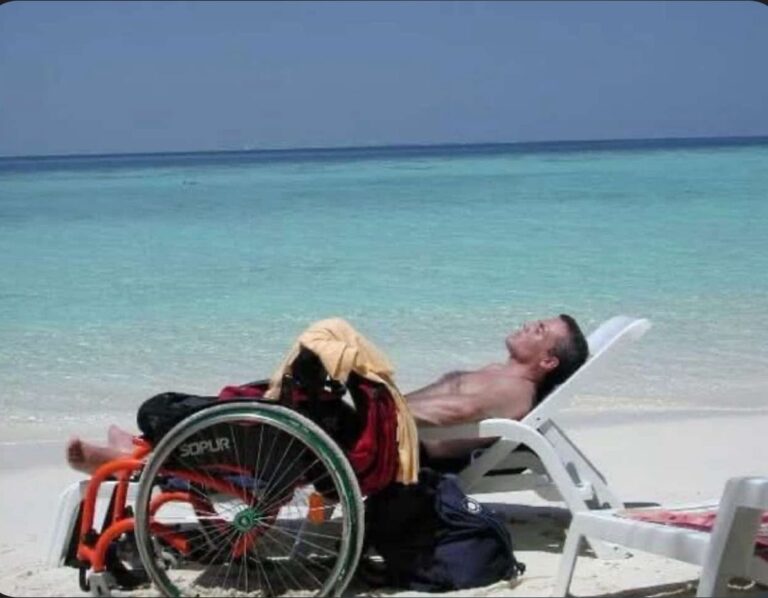
Accessible Ocean Tourism refers to sea-, coastal- and marine-based travel and experiences that are designed so that everyone—including children, older adults, people with disabilities, and families with access needs—can participate fully, safely and with dignity. It brings together two key ideas: • Ocean tourism: tourism related to oceans, seas, coasts, islands and marine environments. • Accessibility / inclusive tourism: ensuring that tourism products, services, destinations are usable and enjoyable by all people, regardless of age, ability, mobility or cognitive/sensory needs. So accessible ocean tourism means designing boats and beach access, diving or snorkeling, coastal walks, boardwalks, adaptive water-sports, shore excursions etc in ways that remove or minimise barriers. It aligns with the principle from the United Nations World Tourism Organization (UNWTO) that accessible tourism enables people with access requirements “to function independently and with equity and dignity” through universally designed tourism products, services and environments.
Brilliant for anyone looking to get away from the hustle and bustle of city life or detox from their tech for a few days. I could have stayed another week!
They really have thought about everything here down to the finest details.
01
There are over 1 billion persons with disabilities globally; many more older adults, families with children, and temporary mobility-challenges. Making marine/coastal tourism accessible means including a very large segment of the population.
02
It upholds the UN principle that no one is left behind in the 2030 Agenda. By ensuring accessibility, destinations live up to inclusion and human-rights commitments.
03
Ocean tourism destinations rely directly on healthy marine ecosystems. Accessible tourism supports social inclusion and environmental stewardship—so it contributes to a triple-bottom-line of economic, social and environmental sustainability.
There are stories that inspire, and then there are those that fundamentally reshape how we understand fear, resilience, and our relationship with the natural world.
Summer is supposed to feel like freedom. Sun on your skin, salt in your hair, late sunsets, beach days that blur into laughter. But for