
Accessible Ocean Tourism Is the New Summer Movement — And It’s About Time Beaches Felt Like They Belong to Everyone
-
Tanya Satish
- May 26, 2026
- No Comments
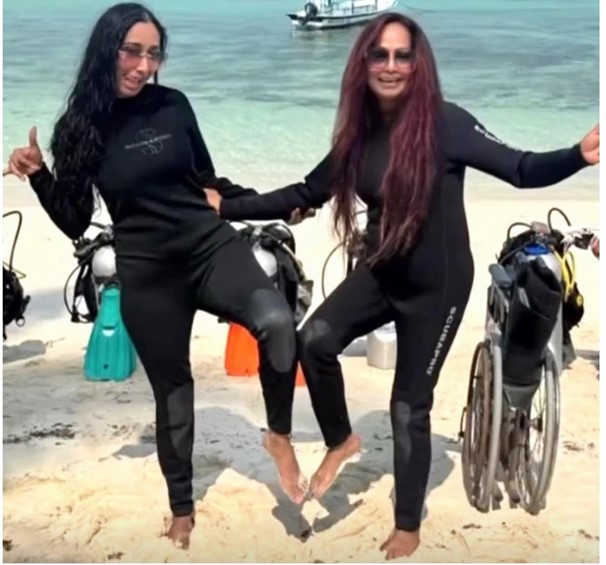
Summer is supposed to feel like freedom. Sun on your skin, salt in your hair, late sunsets, beach days that blur into laughter. But for millions of young people with visible and invisible disabilities, summer travel still comes with questions most people never have to think about: Will I be able to access the beach? Will I be understood? Will I feel safe in my body in this space?
Accessible ocean tourism is changing that conversation.
It’s not just about ramps or wheelchair-friendly pathways — it’s about reimagining beaches, coastlines, and ocean experiences as spaces where everyone can belong, including people with mobility challenges, neurodivergence, chronic illness, sensory disabilities, and invisible conditions that shape how they move through the world.
According to the World Health Organization, over 1.3 billion people globally live with disabilities — but most coastal tourism spaces were never designed with them in mind. That gap is exactly where a new wave of youth-led accessibility thinking is emerging.
Summer, but make it inclusive
This summer, accessibility is becoming part of youth culture in a different way. It’s not charity
- it’s design justice. It’s asking questions like:
- Can I reach the shoreline safely?
- Can I experience water without fear or exclusion?
- Can my body move through this space without barriers?
And importantly — it’s also about invisible disabilities. Anxiety, autism, chronic pain, PTSD, and fatigue conditions often don’t show up physically, but they deeply affect how young people experience crowded beaches, loud environments, or unfamiliar travel spaces.
Accessible ocean tourism is pushing for something simple but powerful:
Beaches should not assume one kind of body, one kind of mind, or one way of being.
Looking out for each other this summer
One of the most powerful shifts happening in youth spaces is peer awareness — friends checking in on friends in ways that actually matter.
This can look like:
- choosing quieter beach zones for sensory comfort
- respecting rest breaks without questions
- understanding mobility pacing in group travel
- not normalizing “just push through it” culture
- making space for different ways of experiencing joy Inclusion is not always infrastructure — sometimes it’s friendship.
The new ocean culture
Across coastal communities and youth movements, especially in the Global South, accessible ocean tourism is evolving into something bigger: a cultural shift where the ocean is seen as a shared emotional space, not a restricted physical one.
When young people with disabilities can kayak, feel ocean water safely, watch marine life, or simply sit at the shoreline without barriers, it changes something deeper than travel — it changes identity.
Because belonging shouldn’t be something you have to ask for. It should already be there.
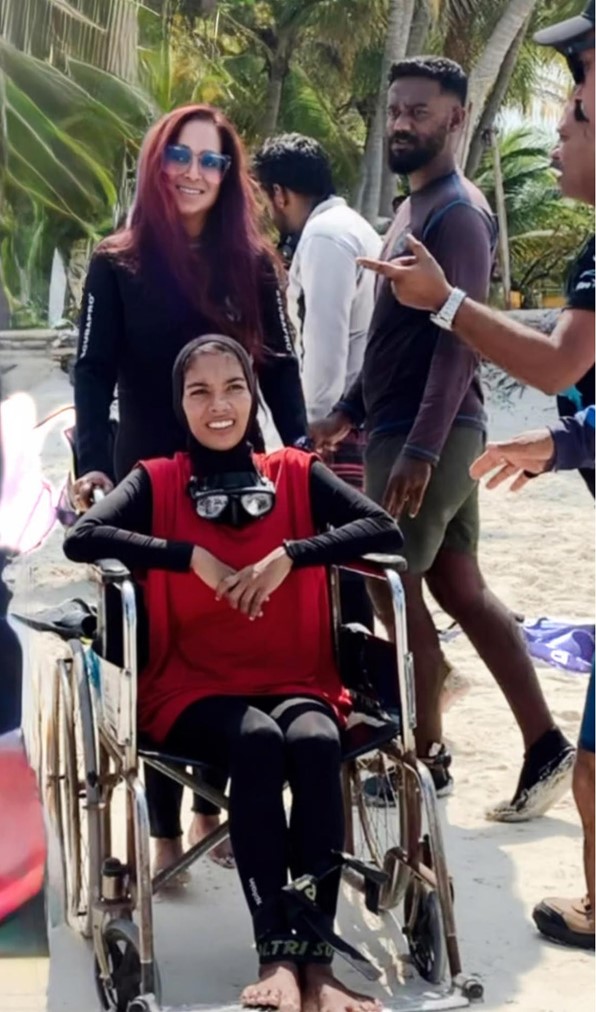
✨ The future of summer is accessible
As this generation reshapes travel culture, accessibility is no longer a side conversation. It’s becoming part of how we define cool, conscious, and connected living.
The next evolution of beach culture isn’t just aesthetic — it’s ethical.
And if summer is about freedom, then accessibility is what finally makes that freedom real. Because the ocean was never meant to choose who gets to experience it.