Indigenous Women, Ocean Literacy, Disability Inclusion, and the Blue Futures Rising Along India’s Coast
-
Elsie Gabriel
- May 25, 2026
- No Comments
At dawn along India’s western coastline, the sea wakes before the villages do. Fishing boats move into uncertain waters while women remain onshore,
cooking,cleaning,caring for families, and carrying generations of invisible labor tied to the ocean but rarely recognized within it. For many girls born into coastal and Indigenous fishing communities, the shoreline has long marked the edge of what they were allowed to imagine for themselves.
Yet across India’s coasts and islands, something powerful is beginning to shift.
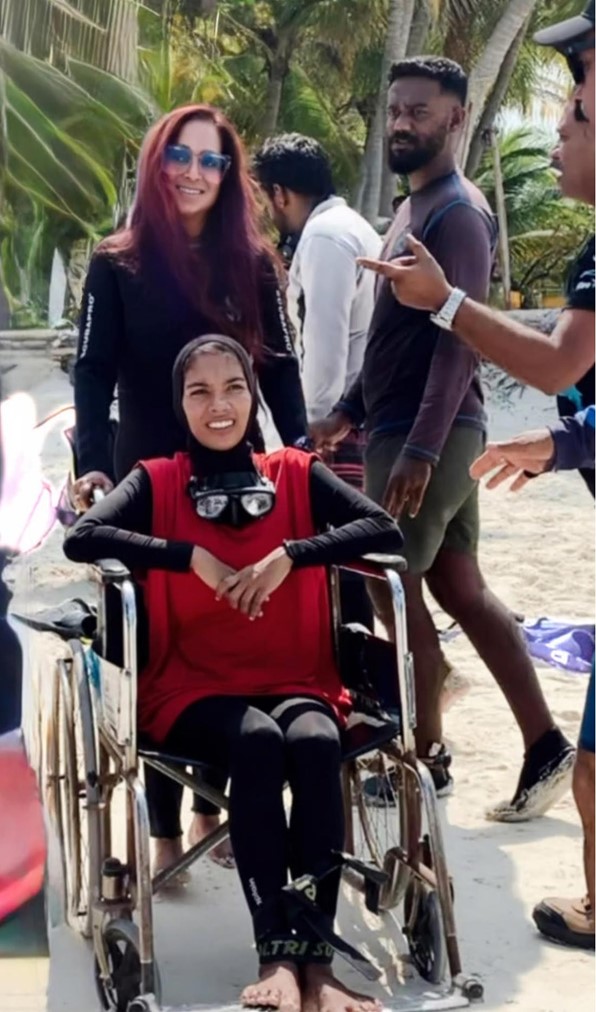
Girls and women are stepping into spaces historically closed to them: marine conservation, ocean literacy, accessible tourism, climate education, and diving. In communities already facing rising seas, coral degradation, plastic pollution, and fragile livelihoods, women are not simply adapting to climate realities — they are becoming climate leaders within them.
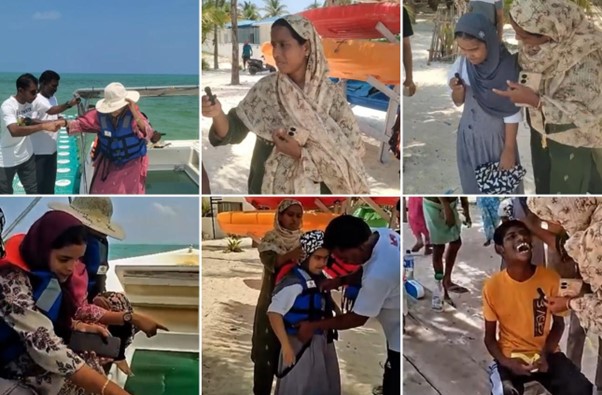
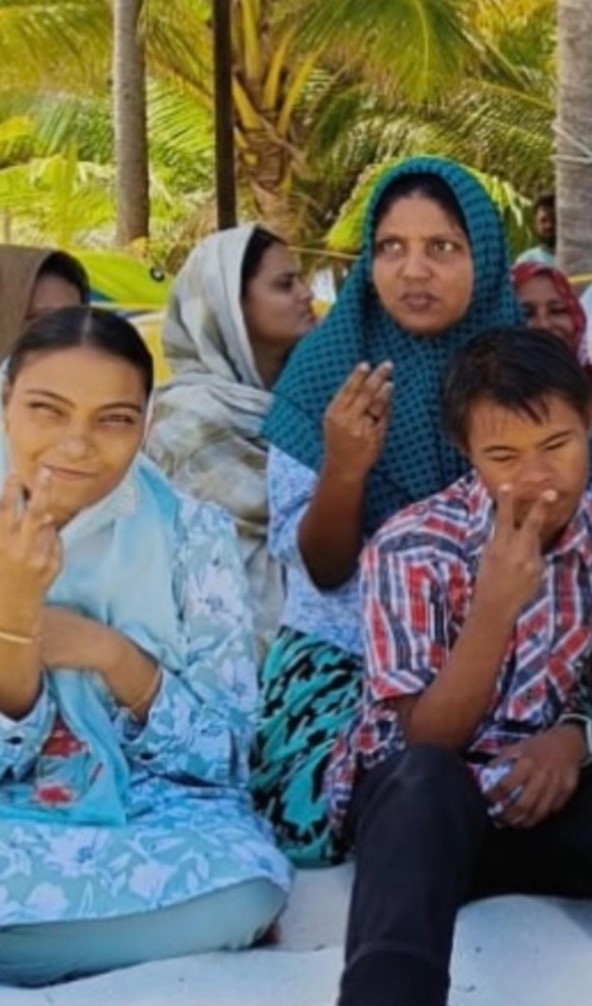
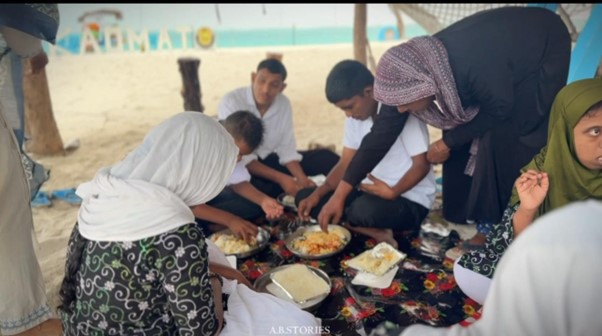
And on the remote coral islands of Kadmat Islands in Lakshadweep India, educators like Fathima are helping redefine what inclusion in climate and ocean spaces truly means. The Young Environmentalists Programme Trust and Accessible Ocean Tourism celebrated the National Endangered species day and World Turtle Day with the group of women and caretakers empowering them to teach the special students of their Day care center to know more about their own backyard through interactive picnics and beach cleaning over great local cuisines. We spoke with Fathima about her views and challenges. Here her out as she tries desperately to fill the gaps of challenges are her motivations.
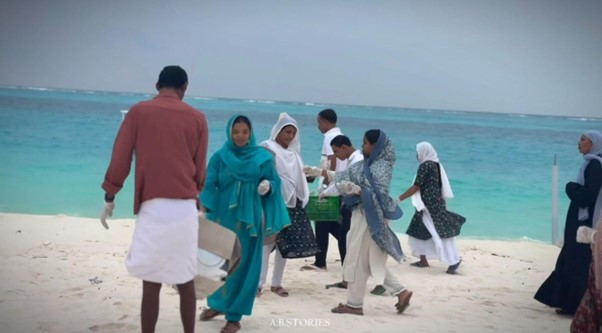
“Ocean-based learning is most important to our students because Lakshadweep is surrounded by the sea,” says Fathima, a special educator from Kadmat Island Day care center for disabled. “Students should know the full environment of our land and ocean.”
For Fathima, learning cannot remain confined to classrooms or textbooks. Much of her work focuses on taking children , including neurodivergent and differently abled students into direct relationship with the natural world around them.
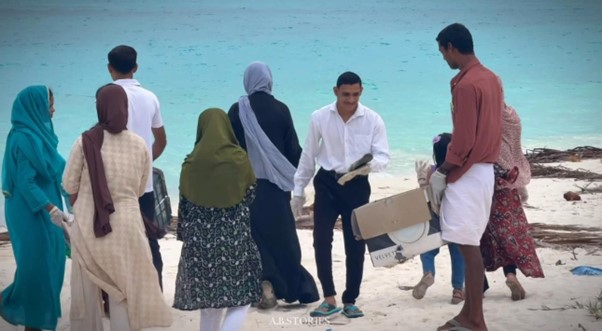
“As a special educator, I promote outings rather than complete learning only inside schools,” she explains. “When children interact with the ocean, they become happier. It improves motor skills, sensory development, and connection with the environment.”
For children with intellectual disabilities, abstract explanations are often not enough. “If I teach them about waves or beaches only through words or actions, it does not help fully,” she says. “Some children have difficulty with abstract thinking. We can show photos or videos, but real learning happens when they touch the sand, feel the water, see the colors, and experience the texture themselves.
Her words reveal something larger than education. They point toward a radically inclusive understanding of climate learning , one rooted not in distance, but in touch, participation, belonging, and sensory experience. On islands surrounded entirely by the ocean, environmental stewardship begins with relationship- which are one of the fundamental pillars of our Accessible ocean tourism and sustainability programs.
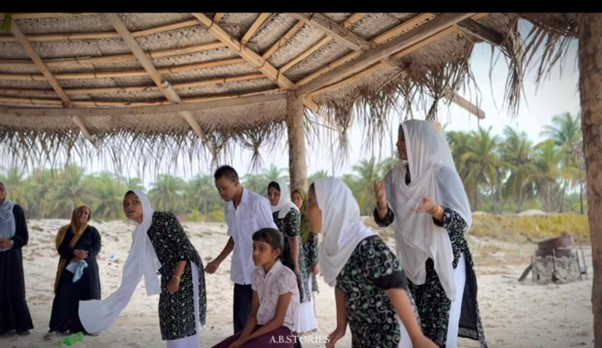
Glass-bottom boat experiences allow students to witness coral ecosystems directly. Beach visits become lessons in biodiversity, conservation, and care. Through these experiences, students learn not only about marine life but also about responsibility toward fragile ecosystems increasingly threatened by climate change and pollution.
“We can teach them to protect corals and fish from plastic waste,” Fathima says. “Including special children at the beach improves their connection with the environment and with people. It creates a more inclusive environment.”
Her approach challenges a reality often overlooked in both climate and disability conversations: persons with disabilities are frequently excluded from environmental spaces, tourism experiences, and outdoor learning opportunities. Yet for many children, access to nature is deeply connected to emotional well-being, confidence, mobility, and social inclusion.
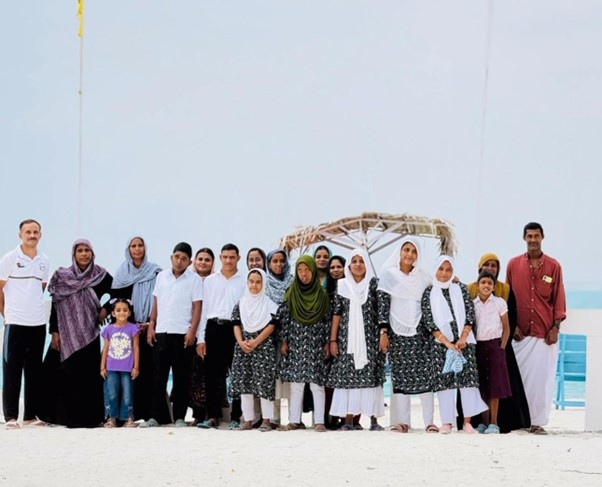
“They have the right to travel and experience all parts of our land and explore everything,” she says simply.
That sentence carries the weight of climate justice itself.
Across many coastal regions, accessibility remains an afterthought. More than 1.3 billion people globally live with disabilities, yet beaches, marine spaces, tourism systems, and environmental education programs are still largely designed without them in mind. Exclusion operates quietly through infrastructure, attitudes, lack of opportunity, and assumptions about who belongs in ocean spaces.
Women and girls from Indigenous and coastal communities face additional barriers shaped by gender, poverty, and geography.
Through our grassroots ocean initiatives, we have seen how inclusive ocean engagement can begin shifting these realities. Girls from fishing communities are participating in marine awareness programs, conservation activities, accessible tourism training, and ocean literacy workshops. Some are exploring diving for the first time. Others are becoming environmental advocates within their communities.
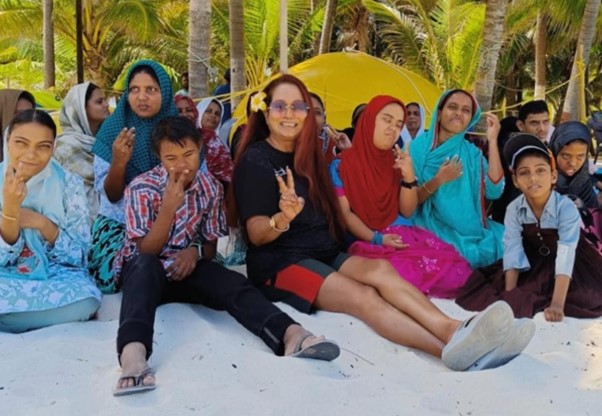
The transformation is often subtle before it becomes visible. A mother once hesitant to allow her daughter near marine activities begins encouraging her participation. Young girls who once viewed the sea only as a place of labor or danger begin speaking confidently about coral reefs, climate resilience, and conservation. Families dependent on uncertain fishing incomes begin imagining more sustainable and inclusive livelihood pathways connected to tourism and environmental stewardship.
Ocean literacy becomes more than environmental education.It becomes confidence.And confidence changes systems.
Fathima believes deeply that ability itself can expand when opportunity and support exist. “The ocean is a large area filled with miracles,” she says. “We see differently abled people swimming well, diving, and winning medals despite physical challenges. With more platforms and environmental support, differently abled people can fly high.”
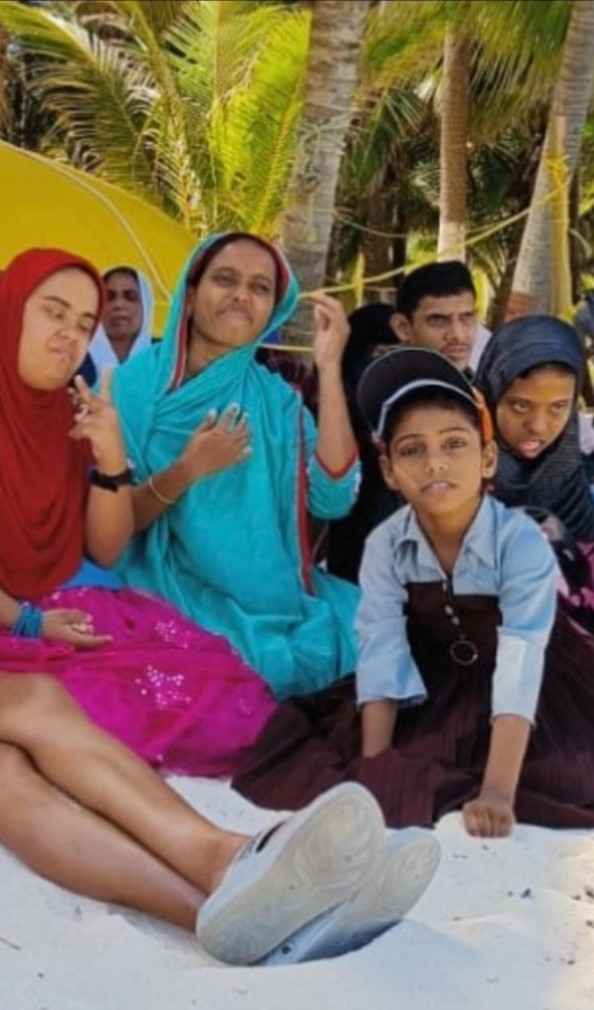
That vision aligns closely with what women-led climate movements around the world are increasingly recognizing: communities most often excluded from climate conversations frequently hold some of the most transformative solutions.
Project Dandelion speaks about women as “climate multipliers” — leaders whose influence moves across systems, families, and generations. Along vulnerable coastlines and island ecosystems, this multiplier effect becomes profoundly visible.
When women gain access to ocean literacy, environmental education, accessibility tools, and leadership opportunities, the impacts ripple outward. A special educator taking children to the shoreline changes how an entire community thinks about inclusion. A girl learning marine conservation may become a future advocate for coral protection. A coastal mother entering tourism spaces may influence how environmental stewardship is practiced at the household level.
Like dandelion seeds carried through cracks in concrete, these changes spread quietly but persistently. Importantly, this work is not about imposing outside solutions onto coastal communities. Indigenous and fishing communities already possess generations of ecological knowledge and lived relationships with marine ecosystems. Women have long sustained coastal resilience through caregiving, food systems, adaptation, and community survival even while remaining excluded from formal climate leadership spaces.
The challenge is not a lack of wisdom.
The challenge is visibility, access, and inclusion.
Accessible ocean engagement asks a deeper question embedded within climate justice itself: who gets to participate in imagining the future?
Scuba diving, marine science, conservation, and tourism are still often viewed as elite or inaccessible spaces especially for girls from low-income coastal communities and persons with disabilities. But representation changes aspiration. When girls see women entering the ocean confidently as educators, divers, conservationists, and accessibility advocates, entirely new futures begin to feel possible.
Accessibility, in this sense, is not only about infrastructure. It is about dignity. It is about participation.
It is about who gets to belong within climate futures.
Along India’s coastlines and islands, women like Fathima are already building those futures quietly through care-centered leadership, inclusive education, environmental stewardship, and community resilience. The sea is changing. And so are the stories of who gets to shape it. Similarly the Accessible ocean tourism and Young Environmentalists Programme conducted Sustainable Tourism lecture series at the Government Institute of Hospitality and Tourism to bring interactive lesson plans to life by teaching them about recycling plastic pollution through creation of eco brick walls around their campus beach gardens thus encouraging youth with field trips related to their curriculum.
Across these shorelines, a new blue future is emerging, one carried forward by girls and women who were once expected to remain invisible, but who are now entering the water as educators, protectors, leaders, and changemakers. With more support and guidance girls and women can bloom in these remote islands which do not belong to the SIDs but bear the same challenges and disasters. Like dandelions through cracks in concrete, they are growing anyway.