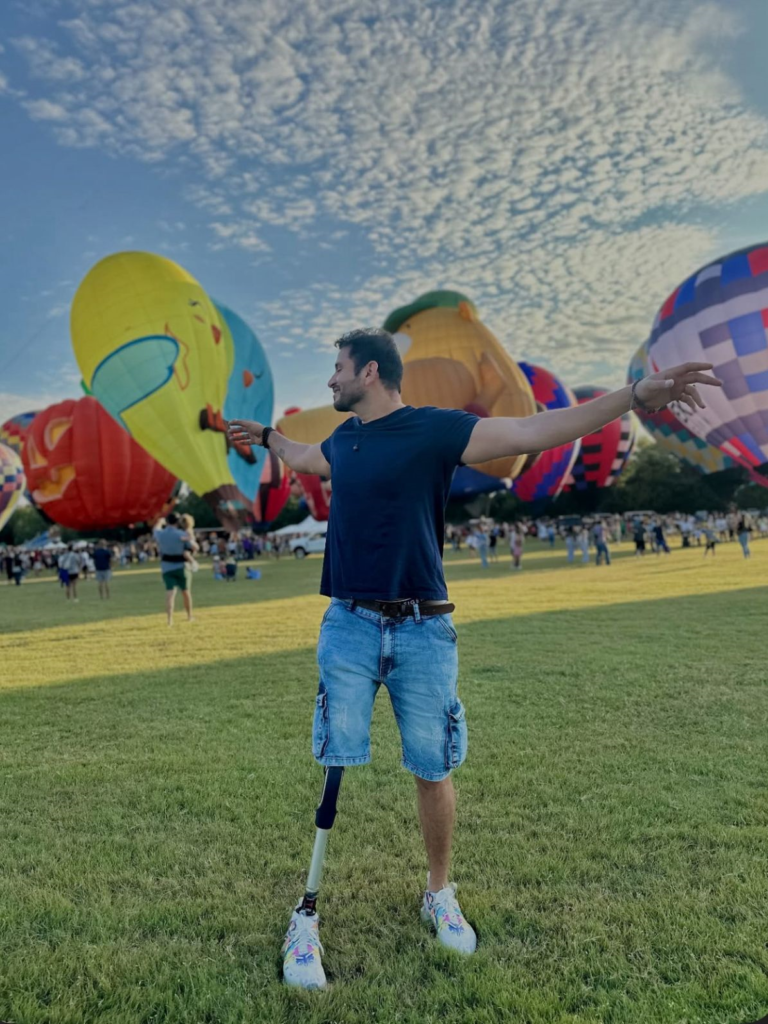
Breaking Barriers: Javed Choudhari’s Fight for Accessible Adventure Tourism
-
Elsie Gabriel
- May 25, 2026
- No Comments
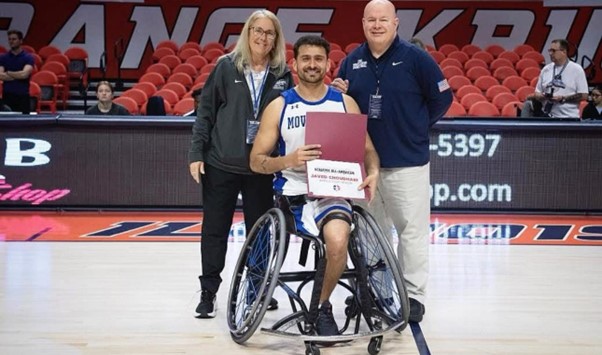
Meet Javed Choudhari is a dynamic Indian wheelchair basketball player and national gold medalist who has represented India in para-sports with distinction. An avid adventurer, outdoors enthusiasts, versatile digital creator, he is also a passionate dancer, guitarist, and bike rider, known for breaking stereotypes around disability through his active lifestyle and achievements. He is associated with UTA KINESIOLOGY DEPARTMENT as PhD student and UTA ATHLETIC DEPARTMENT as Wheelchair Basketball Player. Currently associated with the UTA Department of Music and based in Arlington, Texas, Javed continues to inspire many through his sports journey, creative talents, and strong presence as a content creator.
“What has been your most memorable experience at a beach or coastal destination, and what made it positive or challenging?”
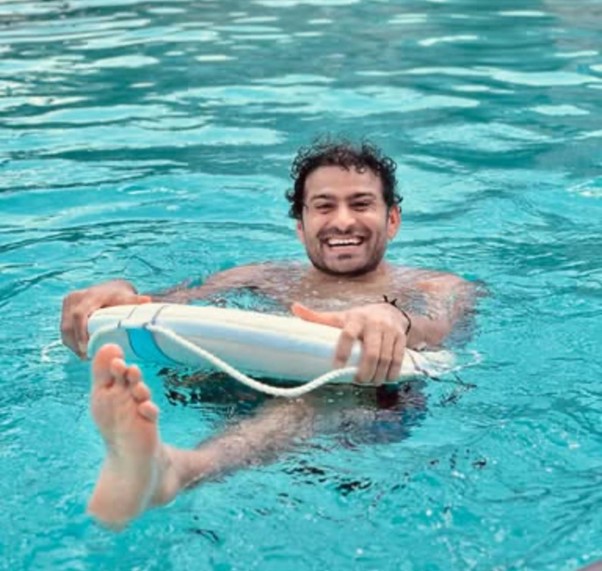
One of my most memorable experiences happened in 2021 in Goa, when I traveled with friends to enjoy the beach and water activities like parasailing. Like everyone else in my group, I wanted to participate—not as someone with a disability, but simply as a young person wanting to experience adventure.
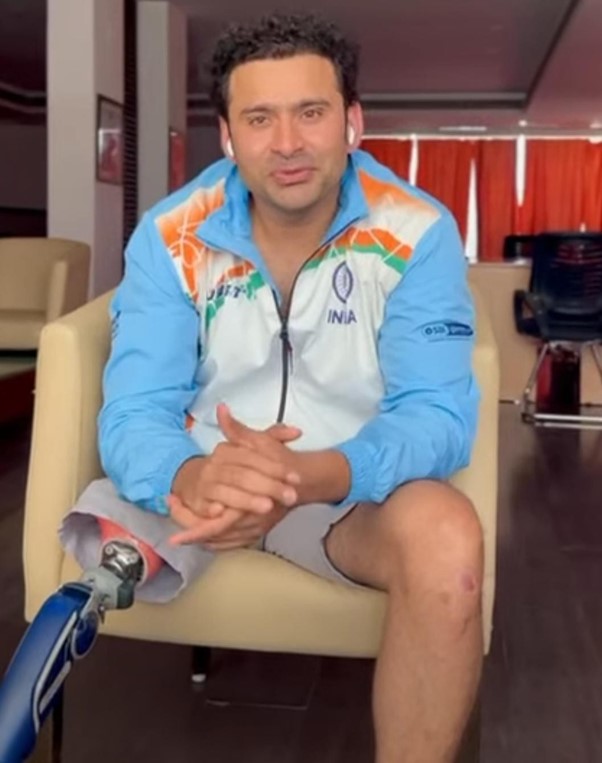
However, the moment operators realized I use a prosthetic leg, I was immediately denied. They told me it was due to government safety regulations and lack of appropriate equipment. What hurt the most was that none of my friends were questioned about their fitness, swimming ability, or physical readiness—but I was seen only as a liability.
Ironically, I was probably the fittest person in that group. I am an international athlete, captain of the Indian national wheelchair basketball team, and a state-level swimmer. Yet none of that mattered.
I spent nearly four hours advocating for myself, educating them, negotiating, and refusing to leave until they saw me as a person rather than a risk. Eventually they allowed me to participate—after charging me extra. When I finally went parasailing, it was an incredible experience. For those few minutes, I didn’t feel disabled—I just felt free.
“What are the biggest barriers you face when trying to access ocean or beach tourism—physical, social, or informational?”
The biggest barriers are rarely my disability itself—they are people’s assumptions, inaccessible systems, and lack of preparation.
Physically, many operators don’t have adaptive equipment, accessible transport, or trained staff. Socially, I often face fear-based decision-making, where people assume disability automatically means inability. Informationally, there is almost no reliable information telling people with disabilities what activities are genuinely accessible before arriving.
I experienced this again in Rishikesh when I wanted to go river rafting. I visited nearly 200 rafting companies from 7:00 AM until 4:00 PM. Every single one said no.
My friend eventually gave up and left for Delhi. I stayed.
My friend eventually gave up and left for Delhi. I stayed. I refused to leave until someone gave me the same opportunity everyone else had. Eventually I found an operator willing to work with me—but only after paying almost fifteen times the normal price.
“If you could change three things about beaches or coastal tourism to make them more accessible, what would they be?”
First, I would require adaptive equipment and trained staff at adventure tourism sites—not as an optional service, but as a standard safety requirement.
Second, I would create transparent accessibility information online, so people with disabilities know in advance what is actually available instead of having to fight for access on-site.
Third, I would focus on changing attitudes through disability-awareness training. Accessibility is not just ramps and equipment—it’s how people treat you when you arrive.
The goal should not be “Can we accommodate you? It should be “How can we make this experience work for everyone?”
“Do you feel current tourism spaces genuinely include people with disabilities, or do they feel like afterthoughts? Can you share an example?”
In many places, people with disabilities still feel like an afterthought.
Too often accessibility is treated as charity, special permission, or an exception—rather than a basic human right. My experiences in Goa and Rishikesh showed me that many systems are designed first for able-bodied people, and only when someone like me refuses to accept “no” do they start looking for solutions.
What concerns me most is this: I am an elite athlete. I have confidence, physical strength, and the mindset to keep pushing.
But what about someone who just became disabled after an accident? Or someone who has spent their entire life being told they are weak, dependent, or incapable?
Many people will hear “no” once—and never try again. That’s the real loss.
What Advice can you give to the industry
What would you like policymakers, tourism operators, or planners to understand about accessibility that they often overlook?”
I want policymakers and tourism operators to understand that accessibility is not about doing people with disabilities a favor—it’s about equal opportunity, dignity, and human potential.
Stop looking at disability only through the lens of risk and liability. Start looking at ability, preparation, adaptation, and inclusion.
In the United States, I went skydiving for the first time. Nobody asked me to prove myself. Nobody made me beg. Nobody charged me extra.
They simply asked: “Do you want to do it?” I said yes.
And they said: “Then let’s make it happen.”
That single difference in mindset changes lives.
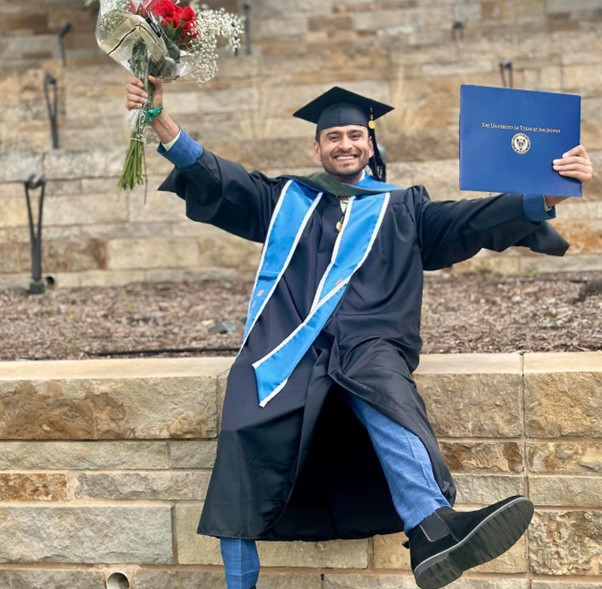
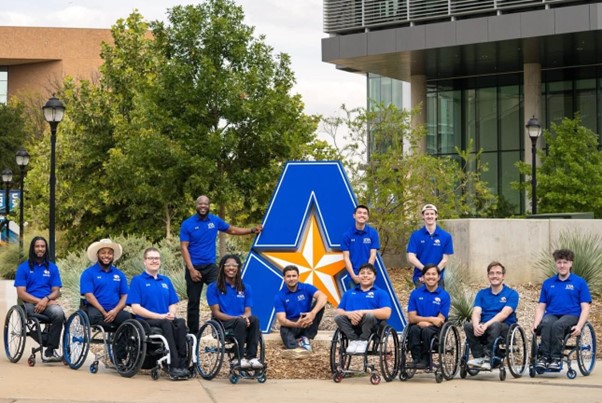
Today I’m pursuing a PhD in cardiovascular physiology at The University of Texas at Arlington while playing for the UTA Movin’ Mavs as the only Indian athlete in this league on scholarship.
My disability was never the barrier. The barrier was always the system.