
“Leave No One Behind” – Building an Inclusive Blue Future Through Ocean Literacy
-
Tanya Satish
- May 25, 2026
- No Comments
The principle of “Leave No One Behind,” central to the United Nations Sustainable Development Goals (SDGs), reminds us that sustainability and inclusion must go hand in hand. At Ocean School, we believe that every individual deserves the opportunity to connect with the ocean, learn from nature, and participate in environmental conservation-regardless of ability.
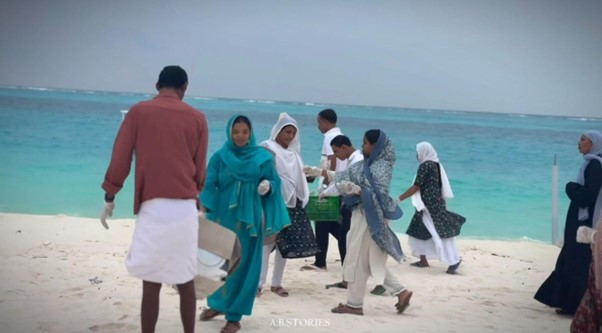
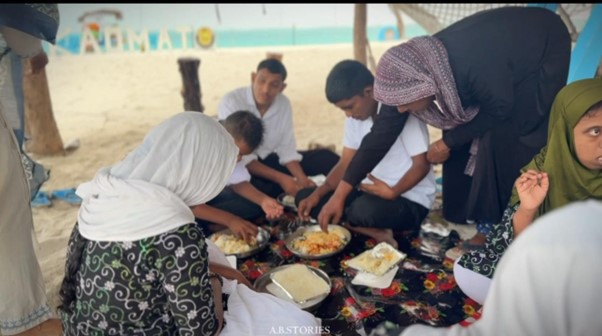
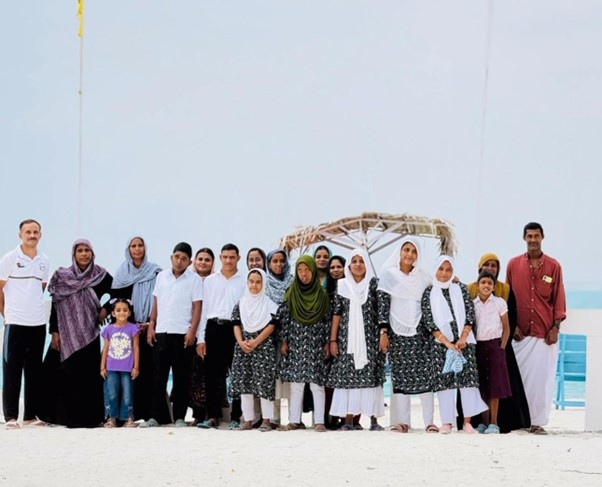
In a heartwarming initiative at Daycare Special Centre, Kadmat Islands, Lakshadweep, students experienced a joyful one-day outdoor picnic and ocean literacy programme focused on accessible ocean tourism and marine awareness. The event created meaningful opportunities for students with special needs to explore the beauty of the coastal environment in a safe, inclusive, and engaging way.
This memorable experince was made possible through the collective support of dedicated staff, teachers, parents, volunteers, and community members if the Special School at Kadmat Island Lakshadweep islands India. We extend our sincere gratitude to Fatima Mam, Elise Gabriel Mam, Ocean School, and the Young Environmentalist Programme, Mumbai, for sponsoring and supporting this inspiring initiative.
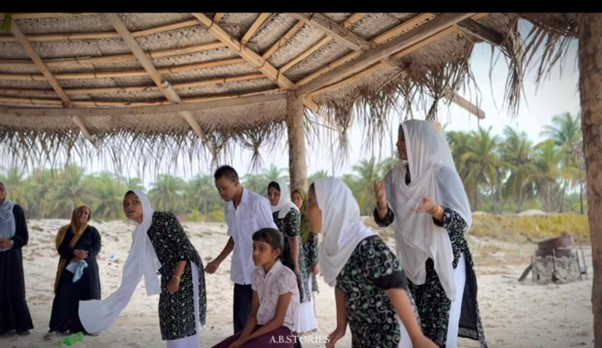
As part of Ocean School’s Ocean Literacy Module, the programme also marked the observance of National Endangered Species Day and World Turtle Day. Through interactive learning activities and awareness sessions, students, parents, teachers, and caregivers learned about endangered marine species, sea turtle conservation, coastal ecosystems, and the urgent need to protect our oceans for future generations.
Accessible ocean tourism is more than recreation-it is about dignity, participation, education, and equal access to nature. By empowering children and communities through environmental education and inclusion, we move cir or towards a sustainable and compassionate blue thread initiative UNESCOS Ocean Literacy learning activities and awareness sessions, students, parents, teachers, and caregivers learned about endangered marine species, sea turtle conservation, coastal ecosystems, and the urgent need to protect our oceans for future generations.
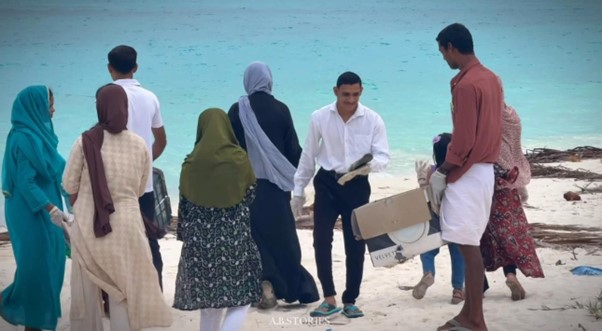
The students and staff together with caretakers and families also did a huge beach up proving their contributions to the 2030 SDG goals that we need all hands on deck.
Accessible ocean tourism is more than recreation-it is about dignity, participation, education, and equal access to nature. By empowering children and communities through environmental education and inclusion, we move closer towards a sustainable and compassionate blue economy.
Together, we can create a future where everyone has the opportunity to experience the joy, wonder, and healing power of the ocean.
For more information, visit: www.accessibleoceantourism.org