
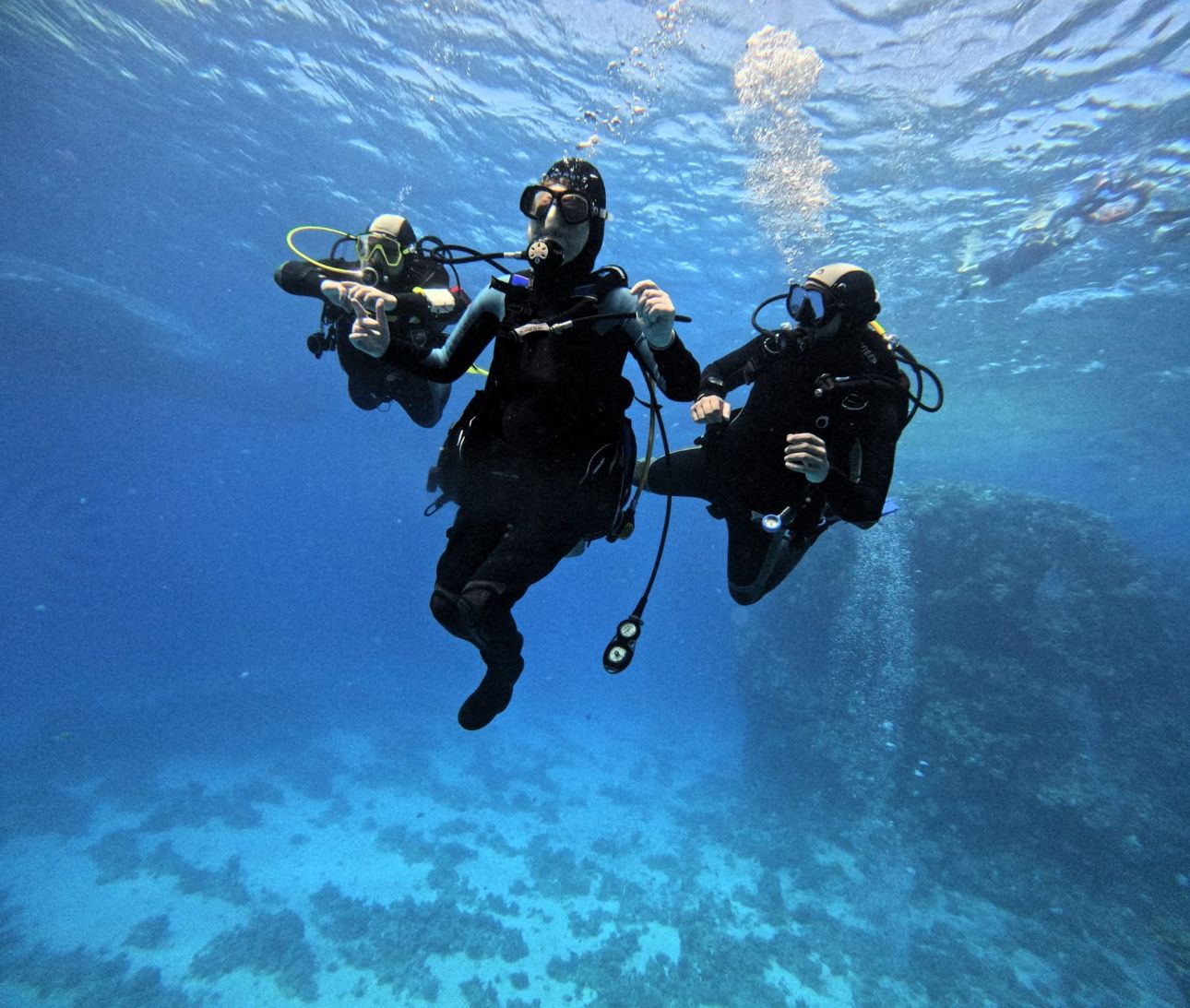
The Business Case for Accessible Ocean Tourism
-
AOT Team
- April 8, 2026
- No Comments
Accessible ocean tourism is not just a matter of inclusion—it is a compelling economic, social, and sustainability opportunity. As global travel evolves, data consistently highlights that accessibility is both a growing market demand and a strategic advantage for destinations, operators, and policymakers.
An Ageing World is Reshaping Tourism Demand
Nearly 50% of people aged over 60 live with some form of disability (United Nations Department of Economic and Social Affairs [UNDESA], 2022). With ageing populations increasing worldwide, this demographic is becoming one of the most influential travel segments.
For ocean tourism, this shift demands intentional design and infrastructure—from step-free beach access and adaptive water sports to inclusive cruise experiences. Older travellers are not retreating from travel; they are seeking destinations that offer comfort, safety, and dignity. Investing in accessibility is, therefore, not a niche adjustment—it is future-proofing the tourism industry.
The Multiplier Effect: Travel is a Group Experience
Travellers with disabilities rarely travel alone. They are typically accompanied by two to three companions (Bowtell, 2015). This creates a powerful multiplier effect: every accessible traveller represents a larger travel group and higher overall spending potential.
For coastal destinations and island economies, this translates into increased demand across accommodations, food services, transport, and experiences. A single accessible initiative—such as adaptive diving or accessible marine trails—can influence the travel decisions of entire groups, making inclusivity a driver of destination competitiveness.
A Market with Spending Power
Research indicates that two-thirds of people with disabilities in developed economies have the financial means to travel (Bowtell, 2015). This challenges outdated perceptions that accessibility is purely a social obligation rather than an economic opportunity.
Accessible ocean tourism sits at the intersection of equity and profitability. Investments in trained staff, inclusive design, and adaptive equipment not only expand market reach but also enhance overall service quality—benefiting all travellers, including families, seniors, and those with temporary impairments.
Consistency and Loyalty in Travel Behaviour
Almost half of European travellers with access requirements take at least one trip annually (European Network for Accessible Tourism [ENAT] & World Travel & Tourism Council [WTTC], 2025). This consistency signals a highly valuable segment: repeat and loyal travellers.
When destinations meet accessibility needs effectively, they build trust—and trust drives return visits, positive word-of-mouth, and long-term engagement. For ocean tourism stakeholders, this represents a stable and recurring revenue stream.
Beyond Compliance: Designing for Belonging
Accessibility must move beyond minimum standards toward holistic inclusion. In ocean tourism, this includes:
• Adaptive scuba diving and snorkeling programs
• Accessible coastal infrastructure and transport
• Inclusive ocean literacy and conservation initiatives
• Training for tourism professionals in accessibility awareness
Designing for accessibility enhances the experience for everyone. It aligns with the principles of universal design, where environments are usable by all people, to the greatest extent possible, without the need for adaptation.
Linking Accessibility to Sustainability
Accessible ocean tourism directly supports global sustainability goals. It strengthens social equity, promotes inclusive economic growth, and fosters deeper connections between people and marine ecosystems.
When individuals of all abilities can meaningfully experience the ocean, they are more likely to become advocates for its protection. Accessibility, therefore, is not separate from sustainability—it is integral to it.
A Strategic Imperative for the Blue Economy
The blue economy is expanding rapidly, but its long-term success depends on who it includes. Accessible ocean tourism offers a pathway to:
• Expand market reach
• Increase tourism revenue
• Strengthen community participation
• Build resilient and inclusive destinations
The question is no longer whether accessibility should be integrated into ocean tourism. The data, the demographics, and the demand all point in one direction: it must be.
Conclusion: Inclusion Drives Growth
Accessible ocean tourism represents a convergence of business sense and social responsibility. It is an opportunity to design experiences that are not only inclusive but also economically viable and environmentally sustainable.
Inclusion is not a limitation—it is a catalyst for innovation, growth, and impact. And in the evolving landscape of global tourism, those who embrace accessibility today will lead the destinations of tomorrow.
⸻
References
• United Nations Department of Economic and Social Affairs (UNDESA). (2022). World Population Ageing Report.
• Bowtell, J. (2015). Assessing the Value and Market Potential of the Accessible Tourism Sector in Europe. European Commission.
• European Network for Accessible Tourism (ENAT) & World Travel & Tourism Council (WTTC). (2025). Accessible Tourism Market Insights and Trends.