
Beyond Accessibility: The Role of Families and Caregivers in Enabling Ocean Tourism for Disabled Travelers
-
Tanya Satish
- April 8, 2026
- No Comments
The sound of waves crashing against the shore is often associated with freedom. For many travelers, a beach holiday means spontaneous swims, long walks along the coastline, and sunset views over the water. But for people with disabilities, reaching that shoreline can involve far more than packing a suitcase and booking a hotel.
Behind many disabled travelers enjoying the ocean stands an invisible support system—family members and caregivers who help turn what might seem like a simple holiday into a carefully planned and meaningful experience.
Accessible infrastructure such as ramps, adapted boats, and beach wheelchairs is an important step toward inclusive tourism. Yet accessibility alone does not guarantee participation. Families and caregivers often provide the emotional, logistical, and physical support that makes ocean travel possible.
The Desire to Experience the Ocean
For people living with disabilities, the desire to travel is no different from anyone else’s. The ocean represents exploration, relaxation, and a sense of connection with nature.
For individuals with conditions such as Cerebral Palsy, Multiple Sclerosis, or Spinal Cord Injury, the opportunity to experience the sea can carry even deeper meaning. Water environments are often associated with therapeutic benefits. Buoyancy reduces pressure on joints, movement in water can aid mobility, and simply being near the ocean has been linked to improved mental well-being.
Yet the journey from desire to experience is rarely straightforward. Travel for disabled individuals often requires additional planning, specialized equipment, and careful coordination.
Families as the Hidden Architects of Travel
In many cases, families become the planners, researchers, and advocates behind accessible travel experiences.
Before a trip begins, family members may spend weeks researching destinations, calling hotels to confirm accessibility features, or checking whether beaches provide mobility equipment. Questions arise that many travelers never have to consider: Are there accessible pathways to the sand? Are restrooms equipped for wheelchair users? Is medical support available nearby?
These logistical considerations are often accompanied by emotional ones. Travel can create anxiety for disabled individuals who have previously encountered inaccessible environments. Families frequently provide reassurance, encouraging participation in activities that might otherwise feel intimidating.
For many families, the goal is simple: ensuring that their loved one has the same opportunity to enjoy the ocean as anyone else.
Caregivers on the Front Lines of Accessibility
Professional caregivers and personal assistants also play an essential role in making ocean tourism possible.
Their responsibilities extend far beyond routine care. On beach trips or marine excursions, caregivers may assist individuals across uneven terrain, help them enter the water safely, or coordinate with tourism staff during activities.
These tasks can be physically demanding, especially in environments such as sandy beaches or crowded docks where accessibility infrastructure may be limited.
Despite these challenges, caregivers are often the people who enable moments of freedom. A carefully assisted swim in the ocean or a guided snorkeling session can transform a beach visit from observation into participation.
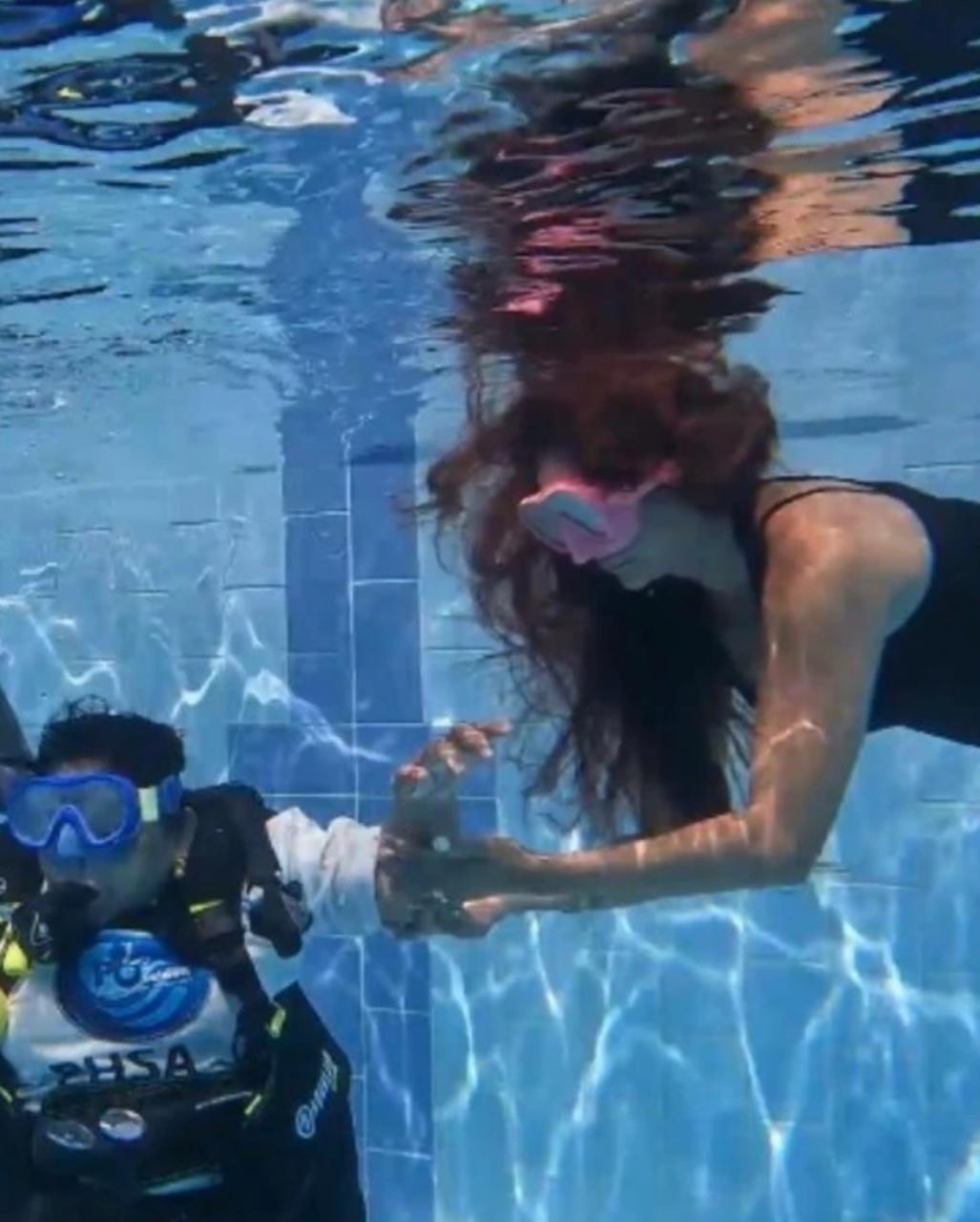
Some tourism initiatives have begun recognizing this need for support. Organizations such as Professional Association of Diving Instructors offer adaptive diving programs designed to allow people with disabilities to explore marine environments with trained instructors and assistants.
Progress and Persistent Barriers
In recent years, several coastal destinations have begun investing in accessible infrastructure. Beaches such as Bondi Beach and Virginia Beach have introduced accessible boardwalks, mobility mats, and beach wheelchairs to improve mobility for disabled visitors.
Yet accessibility remains uneven across global destinations. Families and caregivers often report encountering challenges such as:
• Limited availability of beach wheelchairs
• Inaccessible boats or docks for marine tours
• Lack of trained staff to assist disabled travelers
• Incomplete or inaccurate accessibility information online
These barriers can turn what should be a relaxing holiday into a complicated logistical exercise.
Caregivers, in particular, may face physical strain and emotional stress when accessibility support is insufficient. Without adequate infrastructure or trained personnel, the responsibility for enabling travel often falls almost entirely on families.
Tourism That Supports the Whole Network
Experts increasingly argue that inclusive tourism must consider not only disabled travelers but also the support networks that accompany them.
Tourism providers can make a significant difference by recognizing the role of families and caregivers. Simple measures—such as offering companion-friendly booking policies, training staff in disability assistance, and providing clear accessibility information—can transform the travel experience.
When destinations acknowledge the needs of caregivers as well as travelers, accessibility becomes less about overcoming barriers and more about creating shared experiences.
⸻
More Than a Holiday
For many families, ocean travel is about far more than recreation.
Moments such as feeling ocean waves for the first time, floating in water without physical strain, or simply watching the sunset from the shoreline can carry profound emotional significance.
These experiences often strengthen family relationships and create memories that extend far beyond the duration of a trip.
For caregivers, witnessing those moments can also provide a powerful sense of fulfillment—an affirmation that their support has enabled something meaningful.
Moving Beyond Accessibility
Accessible tourism is frequently discussed in terms of infrastructure: ramps, elevators, and adapted equipment. But inclusion is also about people.
Families and caregivers are often the unseen enablers who transform accessibility into genuine participation. Their planning, patience, and support help disabled travelers experience environments that might otherwise remain out of reach.
As the tourism industry continues to evolve, recognizing these networks will be essential. True inclusion lies not only in building accessible spaces but also in supporting the people who help others navigate them.
For disabled travelers standing at the edge of the ocean, the journey there is rarely taken alone.